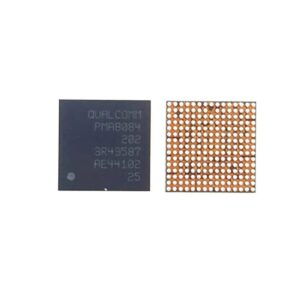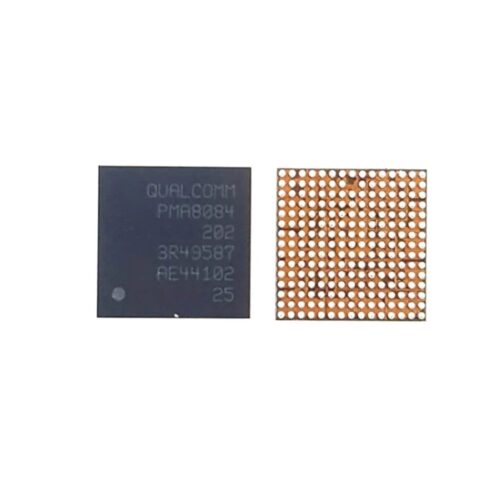

PMC 8974 OR PMA 8084 Mobile Phone IC
Elevate Your Device Performance with PMC 8974 & PMA 8084
Enhance your mobile device functionality with the PMC 8974 OR PMA 8084 Mobile Phone IC. These advanced integrated circuits are designed for seamless compatibility, ensuring optimal performance for a variety of mobile platforms. PMC 8974 OR PMA 8084 Mobile Phone IC
Reliable and Efficient Design
Engineered for durability and efficiency, these ICs provide dependable power management for smartphones. Whether you’re a tech hobbyist or a professional repair expert, the PMC 8974 and PMA 8084 are ideal for restoring and improving device performance. PMC 8974 OR PMA 8084 Mobile Phone IC
Application-Focused and Versatile
Both ICs excel in supporting high-speed processing and essential operations in modern mobile devices. With their reliability and robust design, they cater perfectly to a wide range of technical requirements. PMC 8974 OR PMA 8084 Mobile Phone IC
It appears you are looking for technical details on two very common power management integrated circuits (PMICs) found in many Android smartphones. These chips—the PM8974 and PM8084—are produced by Qualcomm and were the backbone of the Snapdragon 800 and 805 eras, respectively. PMC 8974 OR PMA 8084 Mobile Phone IC
While “PMC 8974” and “PMA 8084” are common typos in repair forums, they refer to the Qualcomm PM8974 and PM8084. PMC 8974 OR PMA 8084 Mobile Phone IC
Qualcomm PM8974 & PM8084 Overview
A Power Management IC (PMIC) is essentially the “heart” of the phone’s electrical system. It takes the raw voltage from the battery and converts it into the precise voltages required by the processor, memory, camera, and display. PMC 8974 OR PMA 8084 Mobile Phone IC
The PM8974 was designed to accompany the Snapdragon 800/801 chipset (found in the Nexus 5 and Samsung Galaxy S5), while the PM8084 was the companion for the Snapdragon 805 (found in the Nexus 6 and Note 4). PMC 8974 OR PMA 8084 Mobile Phone IC
Key Technical Specifications
| Feature | Qualcomm PM8974 | Qualcomm PM8084 |
| Primary Chipset | Snapdragon 800 / 801 | Snapdragon 805 |
| Input Voltage | 2.5V to 4.5V (Standard Li-ion) | 2.5V to 4.8V |
| Buck Regulators | 7-8 Channels (Multi-phase) | 8-9 Channels (High Efficiency) |
| LDO Regulators | 25+ Low-dropout regulators | 30+ Low-dropout regulators |
| Charging Support | Quick Charge 2.0 | Quick Charge 2.0+ / Higher Current |
| Audio Interface | Integrated Audio Codec support | Enhanced Audio/Voice processing |
| Interface | SPMI (System Power Management Interface) | SPMI (Optimized for 805) |
| Package Type | BGA (Ball Grid Array) | BGA (High-density) |
| Key Function | Core/GPU/Mem Power Rail control | Higher Current for 2K Displays |
Deep Dive: How These ICs Function
1. Voltage Regulation (Buck & LDO)
Both chips use a combination of Buck Regulators (for high-efficiency power conversion, like powering the CPU cores) and LDOs (for “clean,” low-noise power required by sensitive components like the camera sensor or GPS). PMC 8974 OR PMA 8084 Mobile Phone IC
-
PM8974: Optimized for the 28nm architecture of the Snapdragon 800. It focuses on balancing thermal output with performance. PMC 8974 OR PMA 8084 Mobile Phone IC
-
PM8084: Built to handle the increased power demands of the first generation of Quad HD (1440p) displays. It features more robust power rails to prevent “brownouts” during heavy GPU usage. PMC 8974 OR PMA 8084 Mobile Phone IC
2. Battery & Charging Management
These ICs contain the logic for the Fuel Gauge (estimating battery percentage) and the charging handshake. PMC 8974 OR PMA 8084 Mobile Phone IC
-
Quick Charge: They manage the step-down conversion from a 9V or 12V charger to the 4.2V/4.4V required by the battery. PMC 8974 OR PMA 8084 Mobile Phone IC
-
Thermal Protection: They monitor the battery temperature and will throttle charging speeds if the device gets too hot.
3. Housekeeping & Misc Tasks
Beyond just “power,” these chips handle:
-
Real-Time Clock (RTC): Keeping the time when the phone is off.
-
Vibrator Driver: Controlling the haptic motor.
-
GPIOs: General-purpose inputs/outputs for various sensors.
-
Power-on Sequencing: Ensuring the CPU, RAM, and Storage turn on in the exact correct order (milliseconds apart) to prevent a system crash.
Repair & Troubleshooting Note
In the world of mobile repair, these ICs are frequent “points of failure” due to:
-
Water Damage: Because they handle high current, they are often the first to short-circuit.
-
Charging Spikes: Using a non-certified charger can blow the internal protection MOSFETs within these PMICs.
-
Symptoms: If a phone is “dead” (drawing 0.00A on a USB ammeter) or stuck in a “boot loop” with high heat near the CPU, these chips are often the prime suspects.
Important: Replacing these chips requires professional microsoldering equipment and skills, as they involve BGA (Ball Grid Array) soldering where dozens of microscopic solder balls must be perfectly aligned under the chip.
More Products : https://gaffarmarketdelhi.com