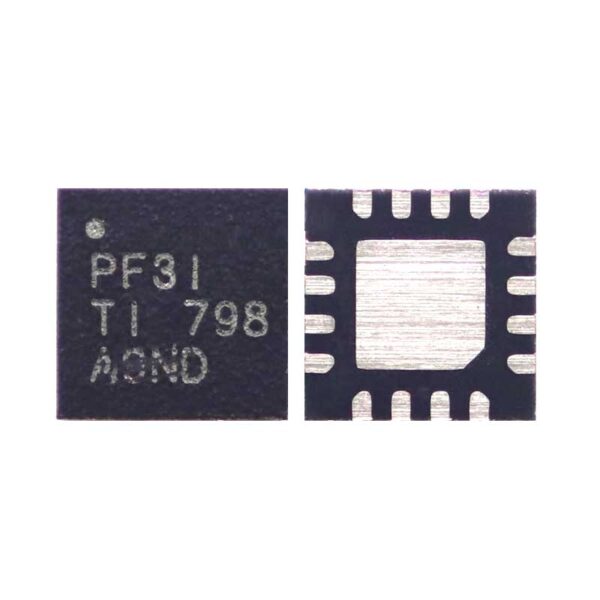
PF31 Mobile Phone IC
Introduction to PF31 Mobile Phone IC
The PF31 Mobile Phone IC is engineered to deliver seamless performance and exceptional reliability for a range of mobile devices. Designed with precision and modern technology, this integrated chip is the ideal solution for manufacturers seeking superior functionality. It plays a critical role in enabling smooth device operations, making it a valuable asset for mobile phone industries. PF31 Mobile Phone IC
Why Choose PF31 Mobile Phone IC?
One of the standout features of PF31 Mobile Phone IC is its compatibility with various mobile platforms. This IC is crafted for versatility and durability, ensuring it meets diverse user requirements without compromise. Whether you need stable connectivity, optimized power management, or enhanced processing capabilities, the PF31 chip excels on all fronts. Its compact design further makes it easy to integrate into devices, reducing development complexities and time.
Applications and Benefits
The PF31 Mobile Phone IC is not just about performance, but also about long-term efficiency. It ensures optimal energy utilization, contributing to better battery life in smartphones and other portable electronic devices. Moreover, it supports faster data transmission, ensuring that your devices perform efficiently under demanding conditions. Manufacturers can also benefit from its cost-effectiveness, enabling quality production without exceeding budgets.
The PF31 (often identified in full as the NXP PCA9450 or related PMIC series) is a highly integrated Power Management Integrated Circuit (PMIC) designed primarily for mobile devices, tablets, and IoT applications. It serves as the “beating heart” of the device’s power distribution system, ensuring that the battery’s raw voltage is converted into the precise levels required by the processor, memory, and peripherals.
Core Functionality and Architecture
The primary role of the PF31 is voltage regulation. In a modern mobile device, different components require different voltages. For example, a mobile CPU might require a variable voltage around 0.8V to 1.1V, while the display backlight might need significantly more.
The PF31 typically employs a combination of Buck Regulators (Step-down) and LDOs (Low Dropout Regulators):
-
Buck Converters: These are high-efficiency switch-mode regulators used for power-hungry components like the Application Processor (AP) and DDR memory.1 They minimize heat generation, which is critical for maintaining battery life.2
-
LDOs: These provide “clean,” low-noise power to sensitive analog components, such as the camera sensors, audio circuits, and radio frequency (RF) modules.3
Key Specifications and Features
-
Multi-Channel Output: The PF31 generally features upwards of 6 to 10 regulated outputs. This allows it to manage the entire power sequencing of a device—turning on the memory before the processor, for instance, to prevent data corruption.
-
I2C Control Interface: The IC communicates with the main processor via an I2C (Inter-Integrated Circuit) bus. This allows the software to dynamically adjust voltages—a technique known as Dynamic Voltage Scaling (DVS)—to save power when the phone is idle.
-
Protection Mechanisms: To ensure the longevity of the mobile device, the PF31 includes built-in safeguards:
-
Over-Voltage Protection (OVP): Shuts down outputs if the voltage spikes. PF31 Mobile Phone IC
-
Thermal Shutdown: Turns the IC off if it exceeds safe operating temperatures (usually around 125°C to 150°C).
-
Short-Circuit Protection: Prevents the IC from burning out if a component on the motherboard fails.
-
Application in Mobile Design
In a typical circuit design, the PF31 is placed in close proximity to the Application Processor. This reduces “parasitic resistance” in the copper traces of the PCB, ensuring that the high-current demands of the processor are met without significant voltage drops. PF31 Mobile Phone IC
It also handles the Power-On Reset (POR) function. When you press the power button, the PF31 is the first chip to wake up. It checks the battery level, stabilizes the internal voltages, and then releases the “Reset” signal to the CPU to begin the boot process. PF31 Mobile Phone IC
Challenges and Repair
In the world of mobile repair, the PF31 is a frequent subject of “reballing” or replacement. Because it handles high current and generates heat, it is susceptible to failure if the device suffers from water damage or an electrical surge from a faulty charger. A failing PF31 often results in a “dead” phone that draws zero current or a “stuck” current when connected to a DC power supply. PF31 Mobile Phone IC
Summary Table
| Feature | Description |
| Type | Power Management Integrated Circuit (PMIC) |
| Regulation | Buck Converters (High Efficiency) + LDOs (Low Noise) |
| Communication | I2C Digital Interface |
| Safety | OVP, OTP (Over Temp), and Short-circuit protection |
More Products : https://gaffarmarketdelhi.com