SC 2331-S Mobile Phone IC
Powerful Functionality for Enhanced Mobile Performance
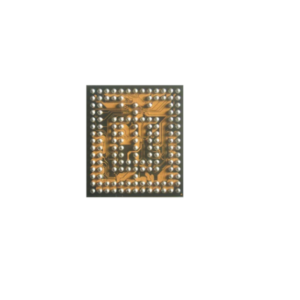
The SC 2331-S Mobile Phone IC is designed to optimize the performance of your mobile devices. Built with precision and efficiency, it ensures seamless functionality for fast and reliable device operations. SC 2331-S Mobile Phone IC
Durable and Reliable Design
This cutting-edge integrated circuit boasts exceptional durability, making it a dependable choice for demanding applications. Its robust design ensures long-lasting performance without compromising on quality. SC 2331-S Mobile Phone IC
Versatile Compatibility for Modern Devices
The SC 2331-S is engineered for compatibility with a wide range of modern mobile devices, ensuring effortless integration into your existing systems. Its versatility is ideal for manufacturers and hobbyists alike. SC 2331-S Mobile Phone IC
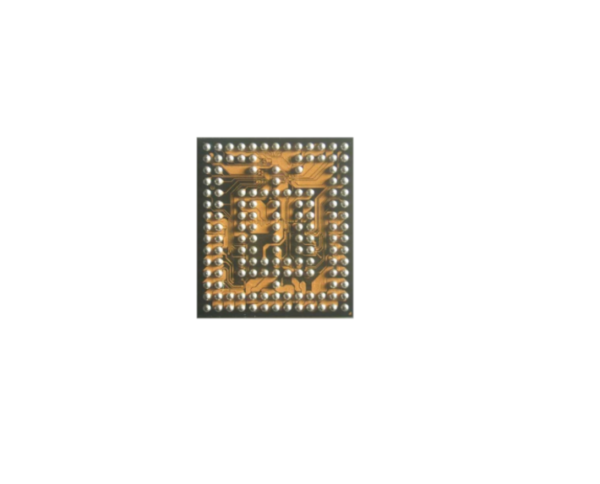
The SC2331S (often formatted as SC2331-S) is a highly integrated “3-in-1” connectivity chip developed by Spreadtrum Communications (now UNISOC). This IC is primarily designed for entry-level 4G smartphones and high-end feature phones, providing essential wireless communication protocols in a single, power-efficient package. SC 2331-S Mobile Phone IC
It gained significant recognition for its role in the Samsung Galaxy J3 (SM-J320F) and Galaxy J5 series, where it works in tandem with the SC9830i quad-core LTE SoC platform. SC 2331-S Mobile Phone IC
Technical Specifications: SC2331-S
The following table summarizes the core hardware and electrical characteristics of the SC2331-S connectivity IC.
| Feature | Specification Details |
| Manufacturer | Spreadtrum Communications (UNISOC) |
| IC Category | 3-in-1 Wireless Connectivity Chip |
| Wi-Fi Support | IEEE 802.11 b/g/n (2.4 GHz) |
| Bluetooth Version | Bluetooth 4.0 (A2DP, LE support) |
| FM Radio | FM RDS (Radio Data System) integrated |
| Process Technology | Optimized for 28nm/40nm fabrication nodes |
| Package Type | WLCSP (Wafer Level Chip Scale Package) / BGA |
| Integrated Peripherals | Internal LDOs, standard serial interfaces |
| Power Consumption | Low-power standby and active modes for mobile |
| Compatibility | Optimized for SC9830i and SC7730 series platforms |
| Main Applications | Low-cost 4G Smartphones, LTE Feature Phones |
Key Functional Components
1. Wi-Fi Module
The SC2331-S supports the 802.11 b/g/n standards. While it lacks the 5 GHz band found in high-end devices, it is engineered for stable 2.4 GHz performance in budget-friendly devices. It includes integrated power amplifiers (PA) and low-noise amplifiers (LNA) to minimize the footprint on the PCB.
2. Bluetooth 4.0 + LE
The chip integrates a complete Bluetooth subsystem. It supports Bluetooth Low Energy (LE), which is crucial for modern wearables and IoT devices, and A2DP (Advanced Audio Distribution Profile) for high-quality wireless audio streaming to headphones or speakers.
3. FM Radio with RDS
Unlike many modern flagship processors that have phased out analog radio, the SC2331-S retains a dedicated FM receiver. The inclusion of RDS allows the phone to display station information, song titles, and traffic alerts.
Role in the Mobile Ecosystem
The SC2331-S is rarely used in isolation. In the mobile architecture, it serves as the “Connectivity Hub.“
-
Platform Integration: It is most commonly paired with the SC9830i (Baseband/CPU) and the SC2723M (Power Management IC).
-
Space Efficiency: By combining Wi-Fi, Bluetooth, and FM into a single small-form-factor IC, manufacturers can reduce the size of the smartphone’s motherboard (PCB), allowing for larger batteries or thinner device profiles.
-
Cost Optimization: This IC is a “Turnkey Solution,” meaning Spreadtrum provides the hardware and the pre-optimized software drivers, significantly lowering the R&D costs for brands like Samsung, Micromax, and Lava.
Maintenance and Repair Notes
In the repair industry, the SC2331-S is known as a critical component for “No Wi-Fi” or “Bluetooth Greyed Out” issues in older Samsung J-series models.
-
Soldering Requirements: Being a BGA (Ball Grid Array) chip, replacement requires professional-grade SMD rework stations and a steady hand for reballing.
-
Thermal Sensitivity: The chip is sensitive to excessive heat during the desoldering process. Technicians usually recommend a temperature range of 330°C to 350°C with controlled airflow to prevent damaging the internal silicon or the surrounding motherboard layers.
-
Replacement Identifiers: Ensure the suffix “-S” matches, as different variations of the SC2331 series may have slightly different pin maps or voltage requirements.
More Products : https://gaffarmarketdelhi.com